
Kankyou no Mikata RDF/RPF plant – substitute fuels from waste in Japan
With the commissioning of a modern RDF/RPF pelletizing plant in 2024, the Japanese company Kankyou no Mikata has taken an important step forward in sustainable waste recycling and energy generation. The aim of the project is to convert different waste fractions into a homogeneous, reliable energy source for industrial boilers.
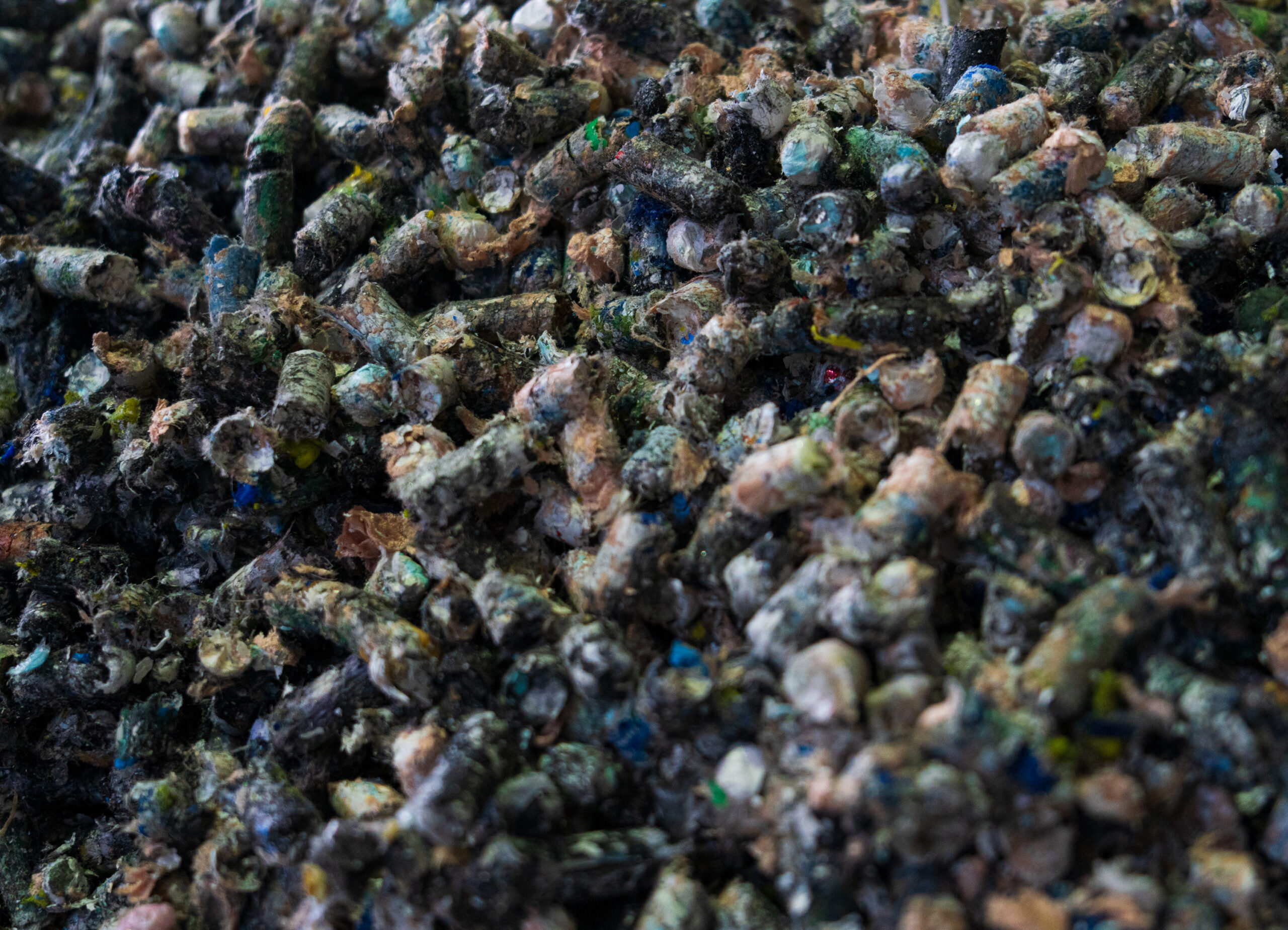
The plant processes a wide range of materials, including plastic waste, paper, textiles, and small amounts of wood. Pelletizing produces dimensionally stable RDF/RPF pellets with a defined density and uniform energy content that can be efficiently stored, transported, and dosed. The pellets are used as a substitute fuel in boiler systems and contribute to the reduction of fossil fuels.
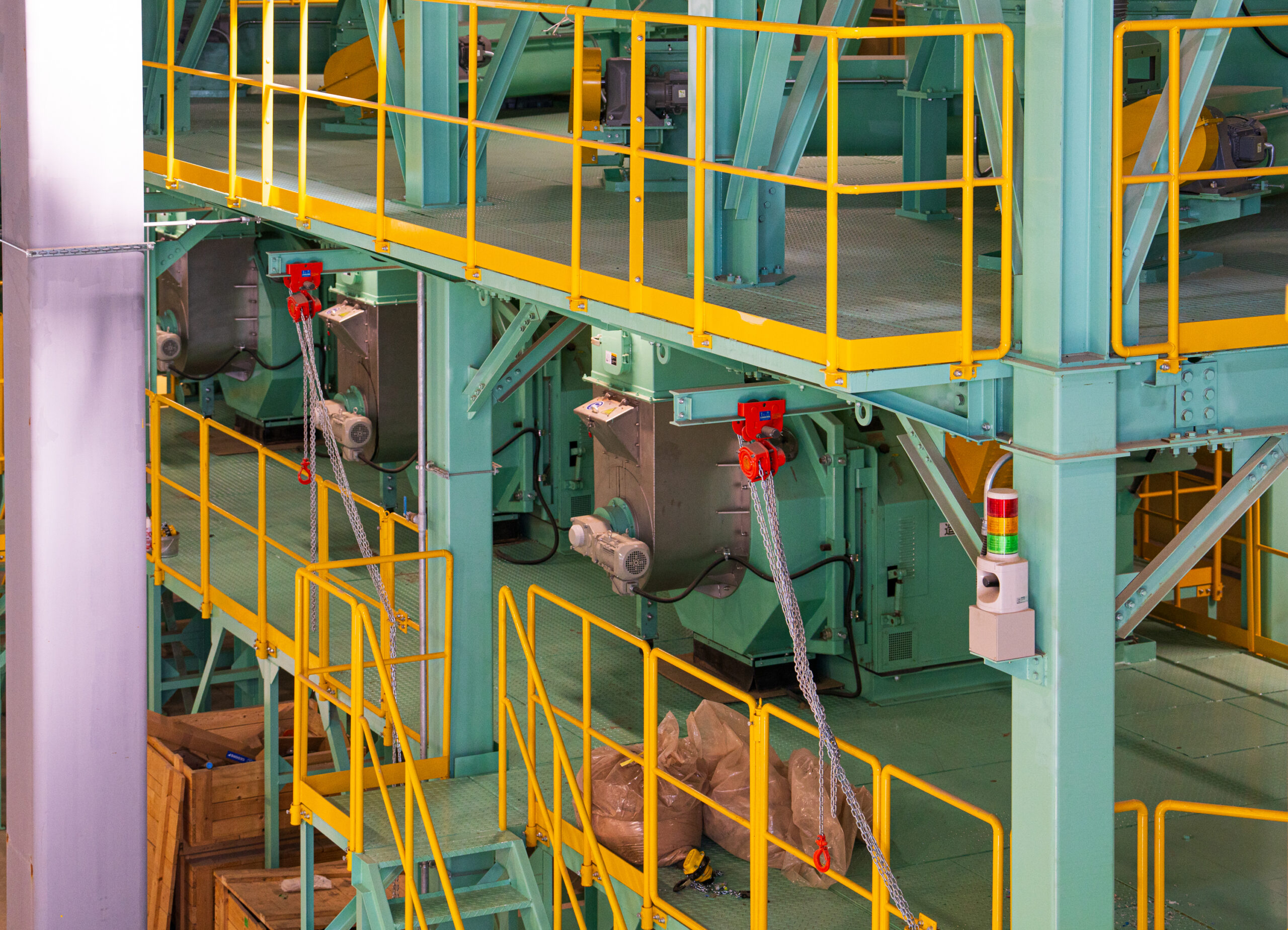
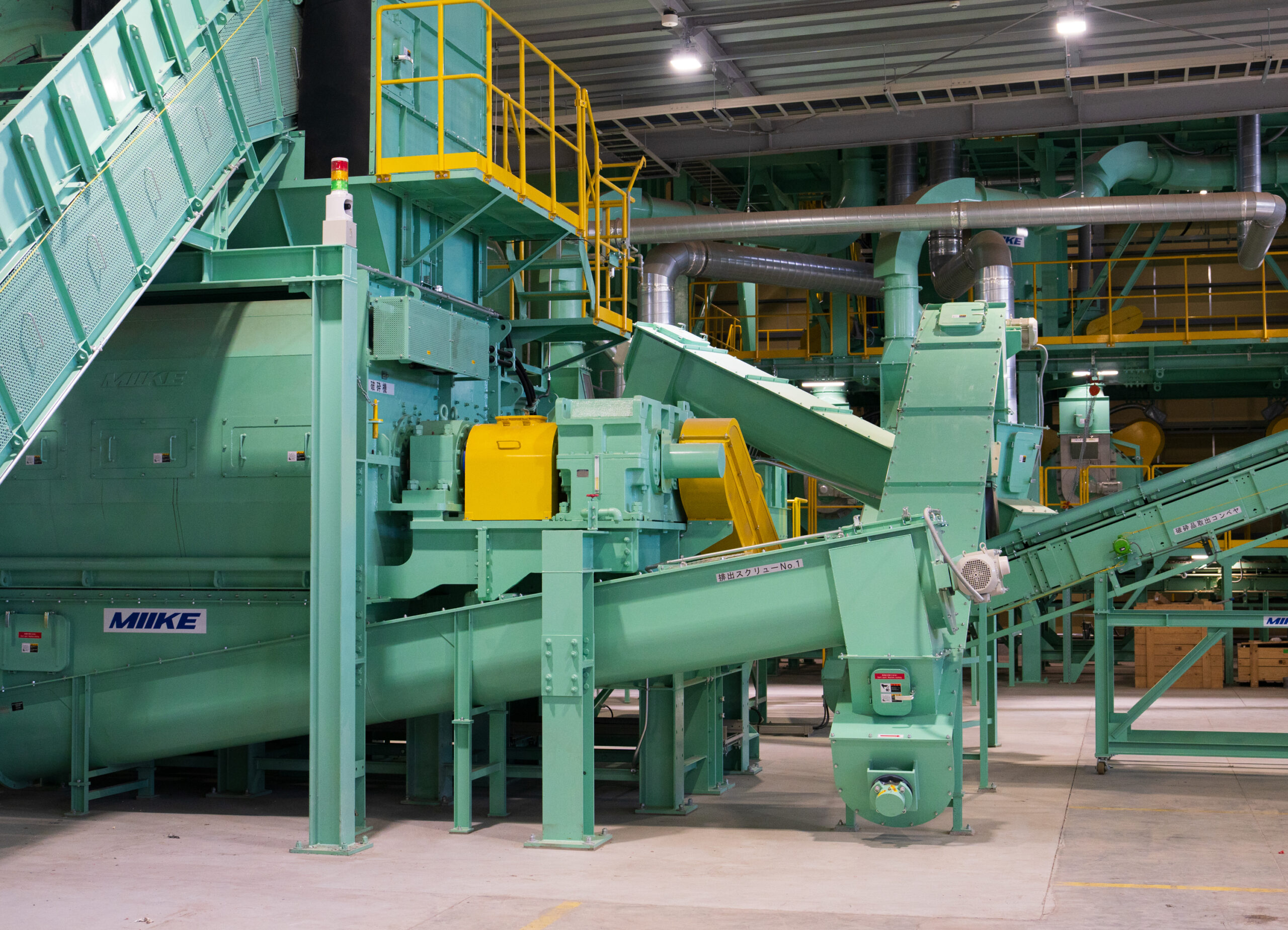
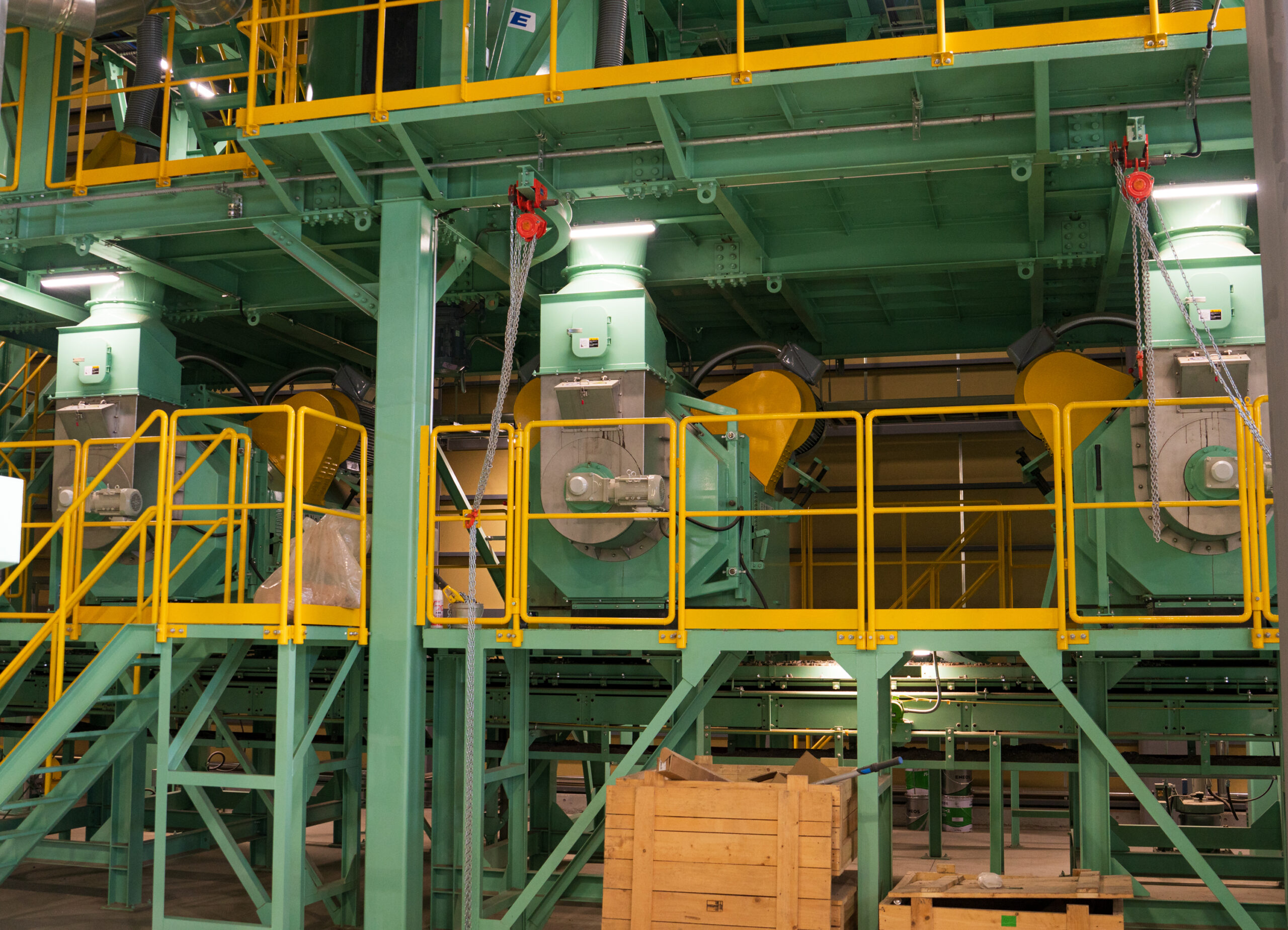
In the first expansion stage, the pelletizing plant is equipped with three Salmatec Maxima 840 pelletizing presses. The plant concept is designed for growth from the outset and allows for later expansion to four presses to meet increasing throughput requirements. The entire plant was planned and built by Salmatec’s Japanese partner Miike Iron Works, including the complete integration of the pelletizing presses.
The Kankyou no Mikata project exemplifies how complex waste streams can be converted into high-quality RDF and RPF fuels using robust pelletizing technology—efficiently, scalably, and adapted to industrial energy applications.
Gallery
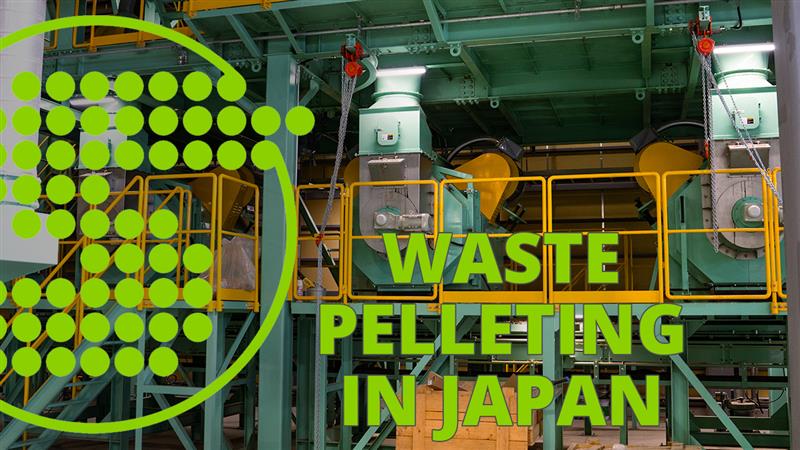
Pelletizing plastic waste in Japan
You are currently viewing a placeholder content from YouTube. To access the actual content, click the button below. Please note that doing so will share data with third-party providers.
More Information